While Saddam Hussein seemed not to well-respect the lives of many Iraqis, his regime did in part solidify itself by both appearing and attempting to preserve sites of historical note. In 1983, seven years before the onset of the Gulf War, Hussein embarked on a particularly ambitious, if ill-advised mission to rebuild the ruins of Babylon. Many archaeologists doubtlessly paled at the thought of a modern reconstruction of Nebuchadnezzar’s palace, built atop the crumbling remains of the original. Despite the fact that any new works, walls or ramparts could render their predecessors unavailable to researchers, construction was continued even after the conclusion of the Gulf War.
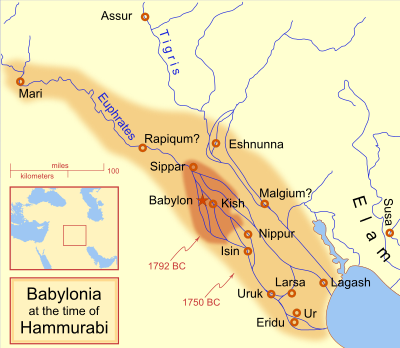
Babylon was further degraded in 2003 by the erection of an American “Camp Alpha” over-top historic ruins. According to Dr. John Curtis of the British Museum’s Near East Department:
US Forces "caused substantial damage to the Ishtar Gate, one of the most famous monuments from antiquity [...] US military vehicles crushed 2,600-year-old brick pavements, archaeological fragments were scattered across the site, more than 12 trenches were driven into ancient deposits and military earth-moving projects contaminated the site for future generations of scientists [...] Add to all that the damage caused to nine of the moulded brick figures of dragons in the Ishtar Gate by soldiers trying to remove the bricks from the wall."
This is not to negate or to ignore the immeasurable value of having armed soldiers watching over one of the most fantastic archaeological sites in the entire world – without a military presence in Babylon, it’s likely that the city would have suffered from more looting and vandalism than it already did before reopening to the public in 2009. $800,000 was contributed to the new Iraqi government by the United States for the purpose of rehabilitating Babylon from damages incurred by military personnel.

In a relevant United Nations report, it was noted that the American armed forces were not the only group at fault – as was the case with the Egyptian pyramids and Roman coliseum, locals had long been developing the land around Babylon for agricultural and structural purposes.